Evaluating and Characterizing Human Rationales
Two main approaches for evaluating the quality of machine-generated rationales are: 1) using human rationales as a gold standard; and 2) automated metrics based on how rationales affect model behavior.
Machine learning models depend on the quality of input data. As electronic health records are widely adopted, the amount of data in health care is growing, along with complaints about the quality of medical notes.
Medical notes summariser: «Characterizing the Value of Information in Medical Notes» Leer más »
Machine learning can be used to make sense of healthcare data. Probabilistic machine learning models help provide a complete picture of observed data in healthcare. In this review, we examine how probabilistic machine learning can advance healthcare. We consider challenges in the predictive model building pipeline where probabilistic models can be beneficial including calibration and missing data. Beyond predictive models, we also investigate the utility of probabilistic machine learning models in phenotyping, in generative models for clinical use cases, and in reinforcement learning.
Meaningful privacy and how it is applied in technology will be the focus of 60 privacy preserving leaders from around the globe during the OpenMined Privacy conference Sept 26 and 27 2020 with more than 2000 in attendance virtually.
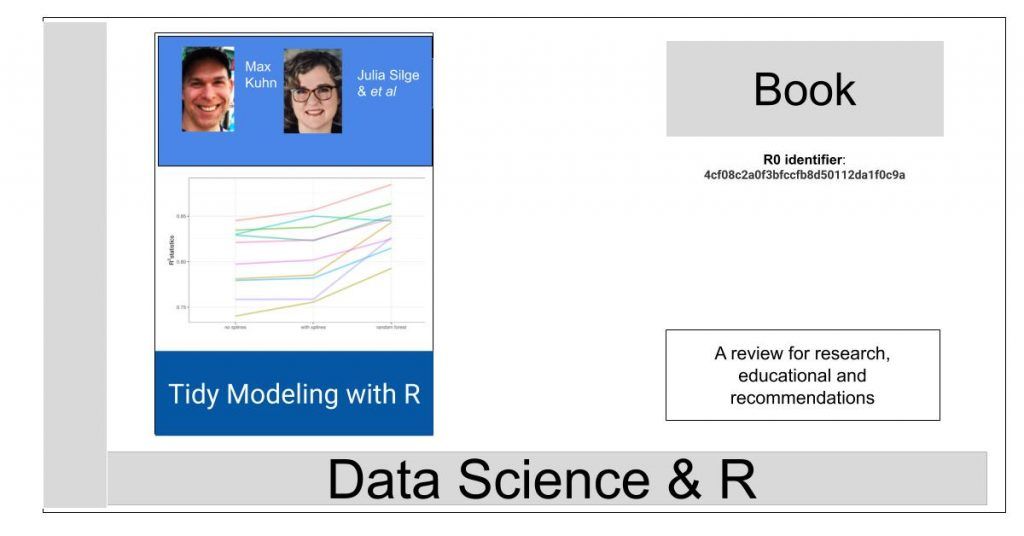
This book provides an introduction to how to use our software to create models. We focus on a dialect of R called the tidyverse that is designed to be a better interface for common tasks using R. If you’ve never heard of or used the tidyverse, Chapter 2 provides an introduction. In this book, we demonstrate how the tidyverse can be used to produce high quality models. The tools used to do this are referred to as the tidymodels packages
The history of science and technology shows that seemingly innocuous developments in scientific theories and research have enabled real-world applications with significant negative consequences for humanity.
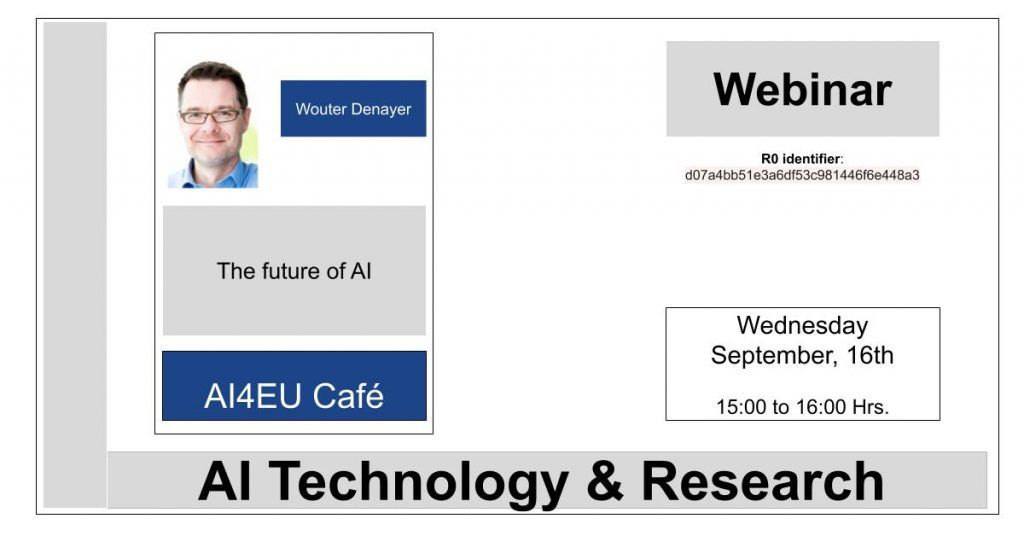
If you wonder what is next in the evolution towards general AI then this session is for you. We have seen some painful failures of artificial intelligence pointing to a lack of ‘common sense’. Are neural networks really the solution we seek or is a new path needed? Find out what IBM Research is cooking in terms of hardware and software in the never ending quest towards General AI.
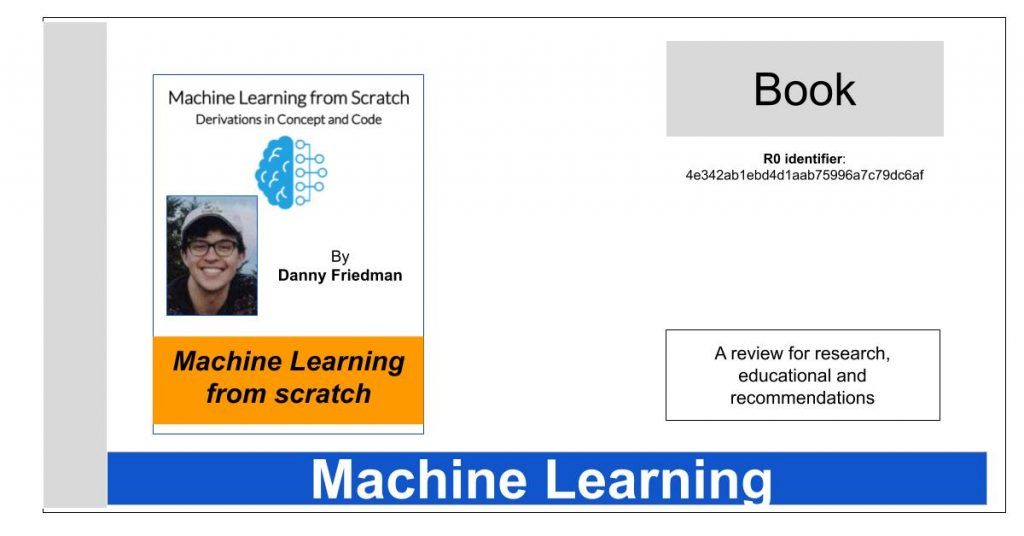
This book covers the building blocks of the most common methods in machine learning. This set of methods is like a toolbox for machine learning engineers. Those entering the field of machine learning should feel comfortable with this toolbox so they have the right tool for a variety of tasks.
Machine Learning from scratch (by Danny Friedman) Leer más »
«The European Commission has shown its ambition in the area of artificial intelligence (AI) in its recent White Paper on Artificial Intelligence – a European approach to excellence and trust. This White Paper is at the same time a precursor of possible legislation of AI in products and services in the European Union. However, COCIR sees no need for novel regulatory frameworks for AI-based devices in Healthcare, because the requirements of EU MDR and EU IVDR in combination with GDPR are adequate to ensure that same excellence and trust.» (COCIR paper).
COCIR analyses application of medical device legislation to Artificial Intelligence Leer más »
The IEEE 7010-2020 Standard for free
The IEEE 7010-2020 Standard Leer más »