Ciencia de Datos | 🇬🇧 Data Science

https://editorialia.com/wp-content/uploads/2020/06/fundamentals_of_data_visualization.jpg

Fundamentals of Data Visualization

Guide to making visualizations that accurately reflect the data, tell a story, and look professional. It has grown out of my experience of working with students and postdocs in my laboratory on thousands of data visualizations.

https://editorialia.com/wp-content/uploads/2020/06/advanced-r.jpg

Advanced R

Advanced R helps you understand how R works at a fundamental level. It is designed for R programmers who want to deepen their understanding of the language, and programmers experienced in other languages who want to understand what makes R different and special. This book will teach you the foundations of R; three fundamental programming paradigms (functional, object-oriented, and metaprogramming); and powerful techniques for debugging and optimising your code.

https://editorialia.com/wp-content/uploads/2020/06/ipython_interactive_computing_and_visualization_cookbook.jpg

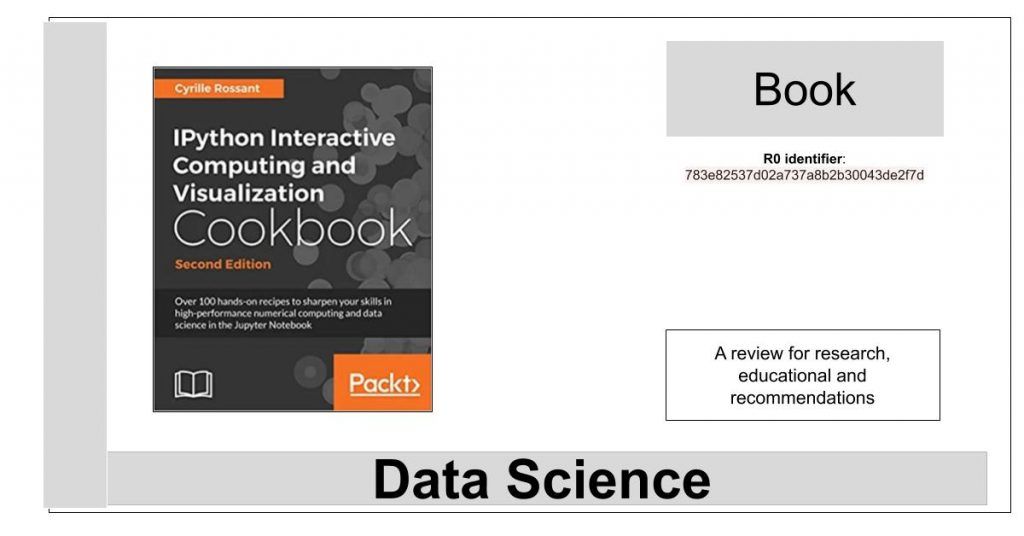
IPython Interactive Computing and Visualization Cookbook

IPython Interactive Computing and Visualization Cookbook, Second Edition contains many ready-to-use, focused recipes for high-performance scientific computing and data analysis, from the latest IPython/Jupyter features to the most advanced tricks, to help you write better and faster code.

https://editorialia.com/wp-content/uploads/2020/03/text_mining_with_r-_a_tidy_approach.jpg

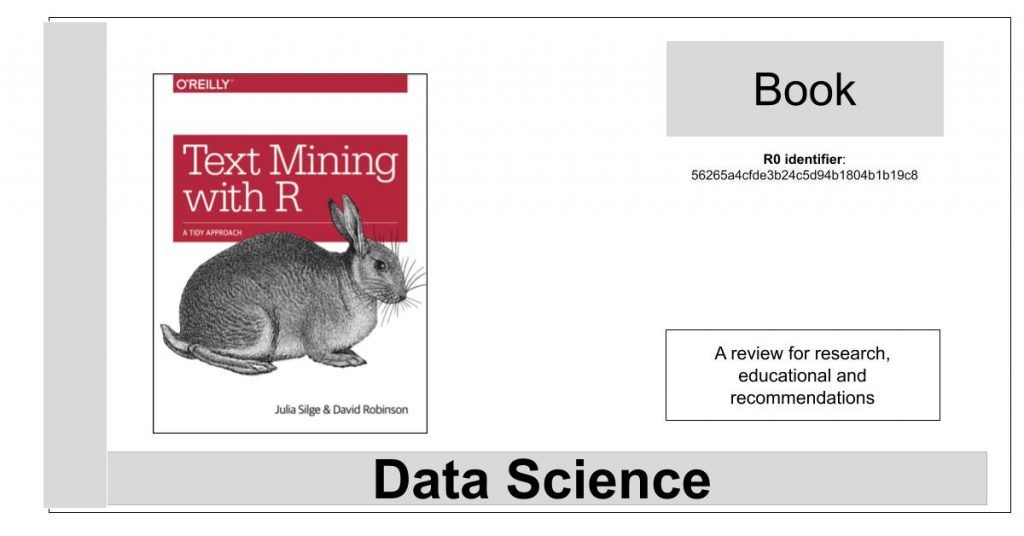
Text Mining with R (A Tidy Approach)

If you work in analytics or data science, like we do, you are familiar with the fact that data is being generated all the time at ever faster rates. (You may even be a little weary of people pontificating about this fact.) Analysts are often trained to handle tabular or rectangular data that is mostly numeric, but much of the data proliferating today is unstructured and text-heavy. Many of us who work in analytical fields are not trained in even simple interpretation of natural language.

We developed the tidytext (Silge and Robinson 2016) R package because we were familiar with many methods for data wrangling and visualization, but couldn’t easily apply these same methods to text.

https://editorialia.com/wp-content/uploads/2020/06/data-science-at-the-command-line.jpg

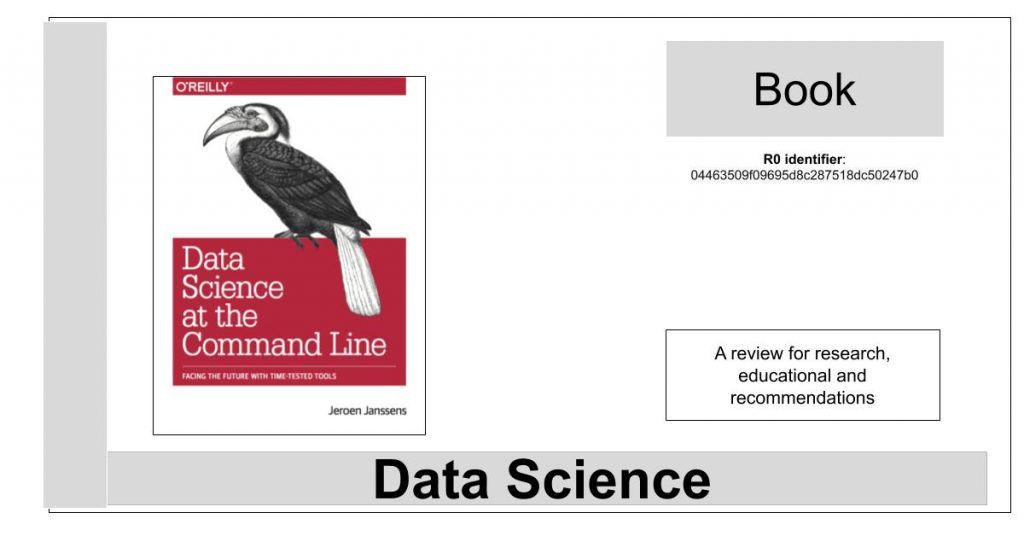
Data Science at the Command Line

Today, data scientists can choose from an overwhelming collection of exciting technologies and programming languages. Python, R, Hadoop, Julia, Pig, Hive, and Spark are but a few examples. You may already have experience in one or more of these. If so, then why should you still care about the command line for doing data science? What does the command line have to offer that these other technologies and programming languages do not?

https://editorialia.com/wp-content/uploads/2020/03/algorithms-notes-for-professionals.png

Algorithms Notes for Professionals

Algorithms Notes for Professionals book is compiled from Stack Overflow Documentation. (252 pages, published on May 2018)

https://editorialia.com/wp-content/uploads/2020/06/efficient-r-programming.jpg

Efficient R programming

There are many excellent R resources for visualization, data science, and package development. Hundreds of scattered vignettes, web pages, and forums explain how to use R in particular domains. But little has been written on how to simply make R work effectively-until now.

https://editorialia.com/wp-content/uploads/2020/06/sql-notes-for-professionals-book.jpg

SQL Notes for Professionals book

This SQL Notes for Professionals book is compiled from Stack Overflow Documentation. (166 pages, published on May 2018)