A person who has lost speech may have plenty to say while the conversation at the table moves on. Someone who is blind may want to read a handwritten note alone. AI’s Human Mirror follows the people who put artificial intelligence to work in such moments. They decide what help is welcome, what feels intrusive and when to switch it off.
Our subjects range from tools that read print and communication aids that give a speaker time to make a joke, to powered exoskeletons and interfaces that respond to an intended movement. We follow children who use a device to join in at school, older people who choose companionship or support at home, caregivers who need to recognise a call for help, and patients whose care changes when a clinical team starts using AI.
What difference survives the journey from the laboratory to the kitchen, the classroom or the clinic? A few more steps can matter if they reach the garden gate. An alert can bring someone to the door, or interrupt an afternoon the resident wanted to spend alone. Each article brings the research into conversation with the people who live with the technology: what they gain, what it asks of them, and whether they would choose it again.
Articles in the collection
-
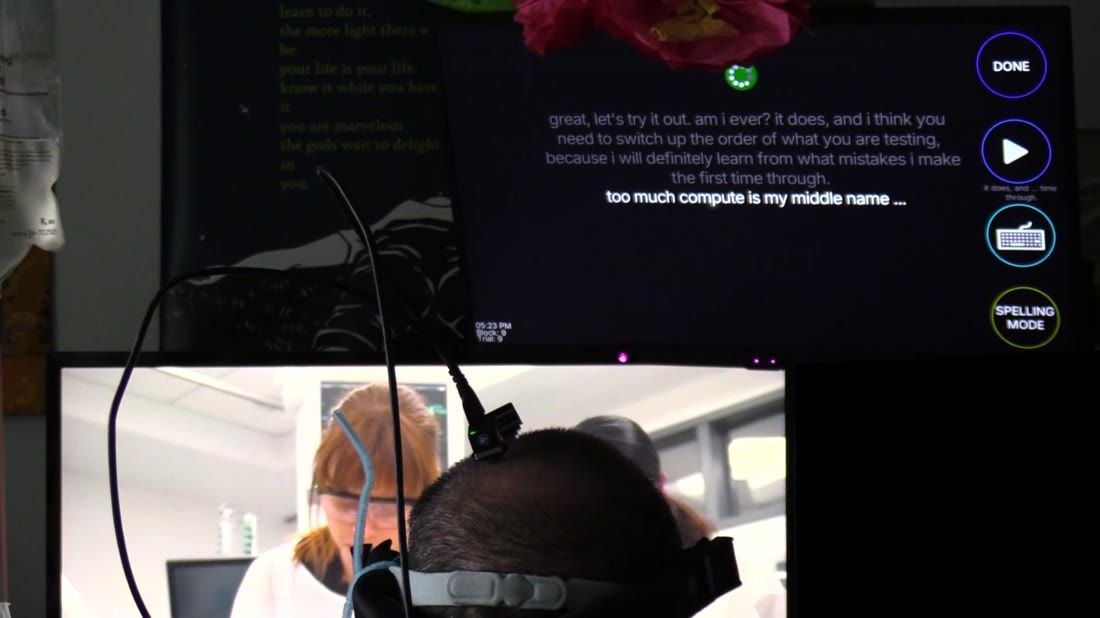
A Father Wanted His Daughter to Hear His Voice Again
His daughter barely remembered what his voice sounded like. He wanted her to hear it again. Living with ALS had made his speech difficult to understand, but he still had jokes to tell and opinions he wanted to put into his own words. In a research recording, he uses an experimental speech system to tease one of the people who built it. The joke is his. So is the decision about when the room gets to hear it. The system picks up brain activity as he…
-

Reading a Letter Shouldn’t Mean Sharing It: What AI Offers Blind Readers
The tea packet in the photograph says Earl Grey. A blind reader took the picture because that was the detail they wanted. Now put a letter from your doctor in place of the packet. Before you know what it says, you may already have had to choose someone to read it to you. A phone that speaks the printed words aloud gives you the chance to make that decision in a different order. There are several ways to do this today. Seeing AI and Lookout can…