When a school buys an AI assistant, a newsroom adopts a search tool or a public agency chooses a data platform, who has already made some of its choices? A handful of companies design the chips, rent out the computers, train the models and decide where the answers appear. The same firm can occupy several of those positions.
This collection follows the people with the authority to make those decisions. Each profile puts a career beside a company record: whom the executive worked with, who appoints the board, who holds the votes, what the technology makes possible and what public proceedings have established. The word oligarchy frames a question about concentrated power. The answers differ even among the people profiled here.
Ownership, valuations and executive offices can change. Figures carry the date of their source. The collection will add profiles and revisit them as boards, public filings, market listings and products change.
What were the listed companies worth on 13 November 2026?
At the US market close, the estimates below put the scale of eight listed groups in perspective. Market capitalisation values the outstanding equity of the whole company. It includes businesses outside AI. Stock Analysis reports the figures in US dollars. Each link opens its updated series.
- NVIDIA — $3.93 trillion
- Microsoft — $3.89 trillion
- Alphabet — $3.64 trillion
- SpaceX — $1.89 trillion
- Meta Platforms — $1.64 trillion
- Tesla — $1.54 trillion
- Palantir — $404.77 billion
- Alibaba Group (including Qwen) — $220.27 billion in the dated historical table. The same source gives $234.59 billion in its summary for that date; the two estimates differ.
Alphabet is counted once across its share classes. SpaceX includes xAI. Tesla is a separate issuer. OpenAI and Anthropic had no public closing share price on that date. Moonshot AI, DeepSeek, Perplexity and Mistral AI also had no verified public closing share price on that date. The profiles distinguish private investments and reported listing plans from shares traded on an exchange.
Profiles
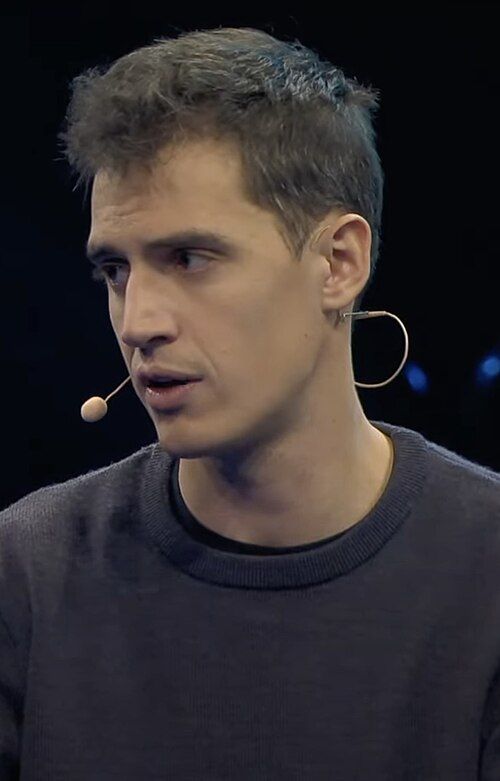
Arthur Mensch and Mistral AI: what does it take to keep a model in European hands?
An organisation may want to run a powerful model close to the people whose records it processes. Mistral offers one route: release weights that can be deployed under the customer’s control, and sell the infrastructure and expertise needed to operate them. Arthur Mensch’s French company gives Europe a stake in frontier research. Its training hardware and industrial shareholders show how international that undertaking remains.
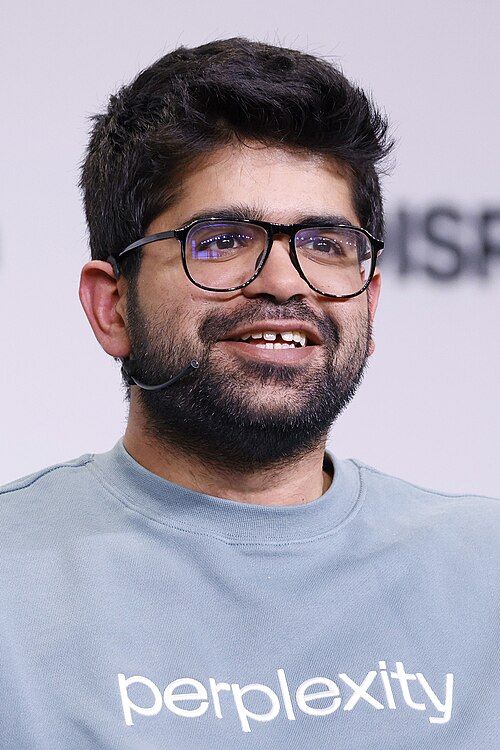
Aravind Srinivas and Perplexity: who chooses the sources behind an answer?
A list of blue links lets the reader choose which account to open. An answer engine makes that decision once before the reader gets there. Aravind Srinivas built Perplexity around that exchange. Its citations can make research faster, but the order of the sources, the passages the system leaves out and the model used to assemble them all shape what the reader takes away.

Liang Wenfeng and DeepSeek: what did the famous training bill actually buy?
One of the most consequential figures attached to DeepSeek was a dollar amount. Readers could reasonably ask whether a small laboratory had reproduced the work of much larger companies for less than six million dollars. Founder Liang Wenfeng’s history in quantitative finance explains where some of the machinery came from. The training paper explains which work the figure covers. Both are needed to understand what other laboratories might reproduce.

Zhilin Yang and Moonshot AI: who can promise capacity for Kimi?
A subscription buys access to a model only while the service can answer. When demand for Kimi outstripped the available computing capacity, Moonshot paused new subscriptions. That episode illuminates founder Zhilin Yang’s two jobs. One is to improve a language model. The other is to secure the machines and capital to deliver it to the people who have paid for it.

Dayiheng Liu and Qwen: who steers the model inside Alibaba?
A developer can download some Qwen models, rent others by the token and run either on infrastructure supplied by Alibaba. Three decisions lie behind that apparent choice. The researchers decide what to train, the cloud business decides what to sell and the parent company decides where capital goes. Dayiheng Liu’s career shows how much influence a technical leader can exercise within that structure and where his authority ends.
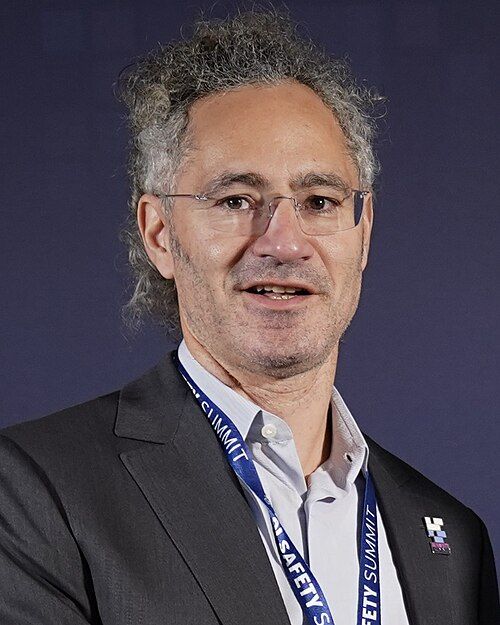
Alex Karp and the software between the model and the decision
An AI supplier can shape a decision without training the model that produced the answer. Palantir links data, permissions and actions inside institutions. Alex Karp’s influence is easiest to see at the point where an analyst’s suggestion becomes something a hospital, factory or government agency can actually do.
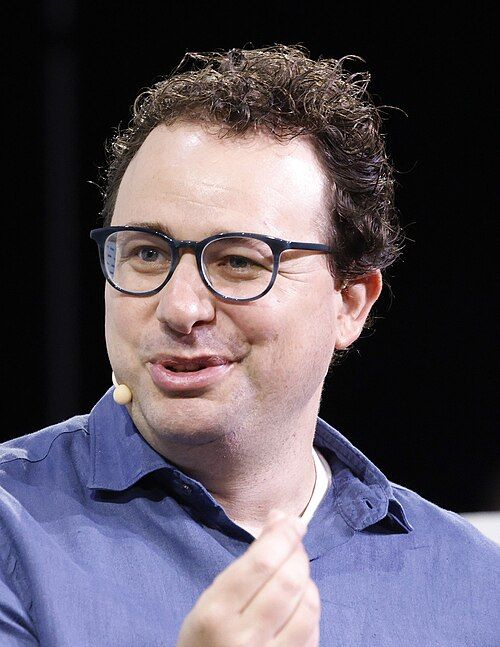
Dario Amodei and the terms on which Anthropic can go public
Anthropic promises to consider the long-term effects of the systems it builds. A proposed stock offering brings that promise into contact with shareholders seeking a return. Who can vote, who can appoint directors and who supplies the computing capacity each tell a different part of Dario Amodei’s story.
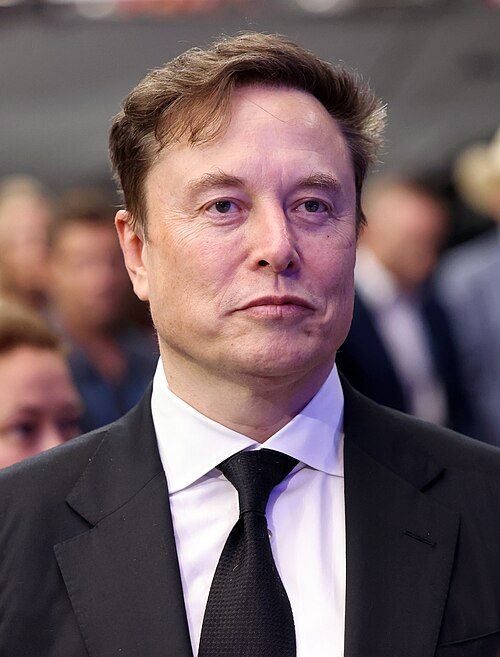
Elon Musk and the connection between satellites, servers and AI
A customer can ask Grok a question over a Starlink connection. Parts of that journey now belong to the same listed group. Following the money from rockets and satellite subscriptions to servers explains why SpaceX belongs in a discussion about AI, and why its share price tells only part of the story.
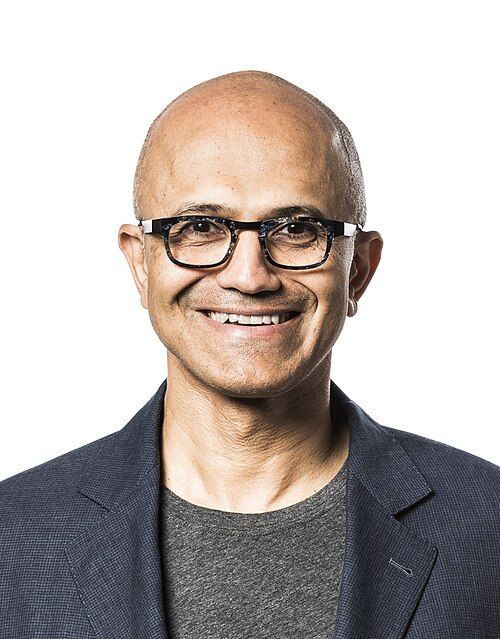
Satya Nadella and Microsoft’s place on both sides of an AI purchase
A company buying an AI assistant may already buy its office software, identity service and cloud capacity from Microsoft. Satya Nadella helped build the cloud business before he became chief executive. His position matters wherever a customer must decide how easily one part of that bundle can be replaced.
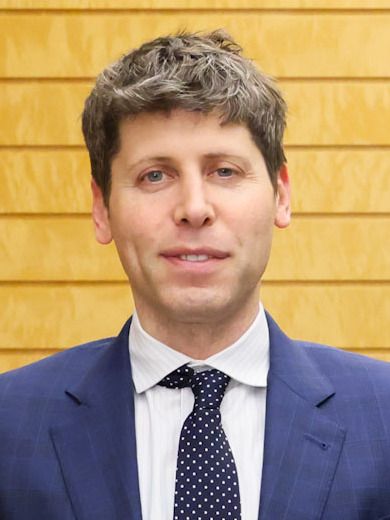
Sam Altman and the question of who controls OpenAI
Who gets to appoint the board of a company that builds frontier AI? Sam Altman runs OpenAI, Microsoft owns an economic interest and a nonprofit holds governing rights. Following those three strands helps explain how a model can change a market without its chief executive owning that market.
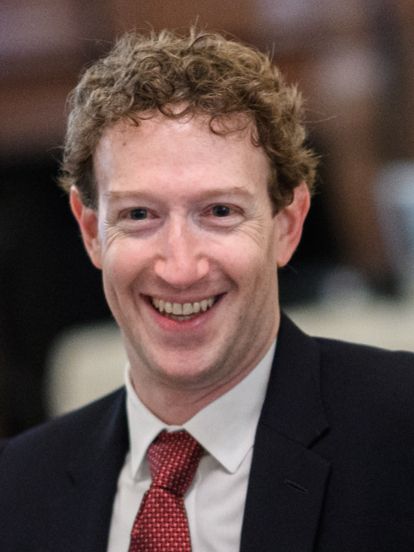
Mark Zuckerberg and the votes behind Meta’s AI strategy
A shareholder may own part of Meta and still have little say over the next generation of its AI. Mark Zuckerberg’s voting majority connects decisions about models, data centres and the distribution of information to one founder. The company’s public filings show exactly how that majority works.
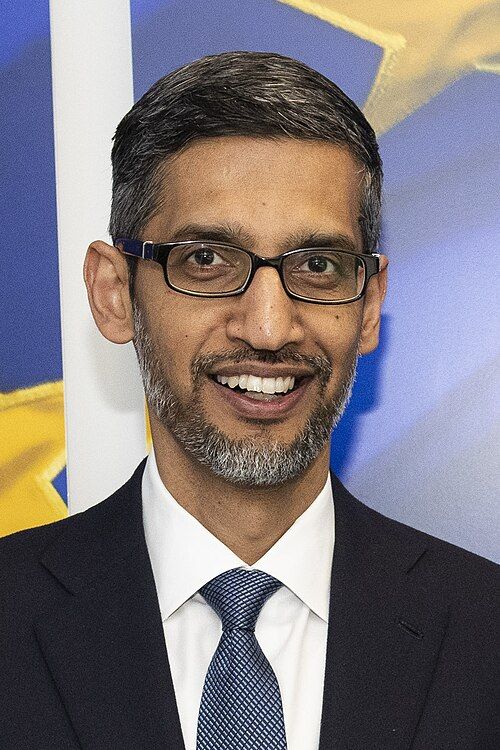
Sundar Pichai and the routes through which Google brings AI to the public
A model can reach millions before anyone chooses it by name. At Alphabet, Sundar Pichai oversees the researchers who build Gemini, the infrastructure that runs it and the products through which people encounter its answers. Google’s founders retain voting power that the chief executive himself does not possess.
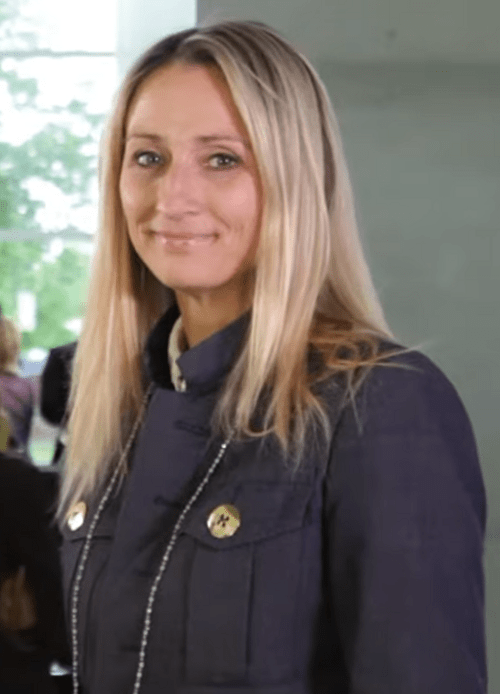
Colette Kress and the board that chose NVIDIA’s interim chief
When a founder leaves, who gets to choose a successor? At NVIDIA the answer arrived in a securities filing. The board appointed its finance chief, Colette Kress, to run the company while it searches for a permanent chief executive. It gave someone else the chair.