Juan Antonio Lloret Egea

Juan Antonio Lloret Egea. Engineer in Electronics and Automation. Director of «La Biblia de la IA – The Bible of AI»™. Director of Instituto tecnológico virtual de la Inteligencia Artificial para el español ™ (IAeñ). Member of the European AI Alliance. He has extensive experience in media management — among others, co-founder in 1997 of the newspaper El Noroeste, and its Director from 2005 to 2008 —, and as a book publisher (Ediciones Gollarín, co-founder and Director until 2008). Retired former professor of Computer Science and Telecommunications at the Department of Education of Madrid.

Energy and artificial intelligence: the gap between production and governance

Energy and artificial intelligence: the gap between production and governance

Expanding energy production and deploying large language models raise a shared question of responsibility: whether the ability to use a technology is matched by sufficient means to govern its consequences. This article distinguishes nuclear risks, fossil-fuel harms and AI limitations, examines electricity demand and cost allocation, and considers the political shift in Texas. It argues that deployment should depend on evidence, environmental limits, effective intervention and protection for citizens.

Energy and artificial intelligence: the gap between production and governance Leer más »
Who answers for AI? Lessons from the newsroom and the assembly line

Who answers for AI? Lessons from the newsroom and the assembly line

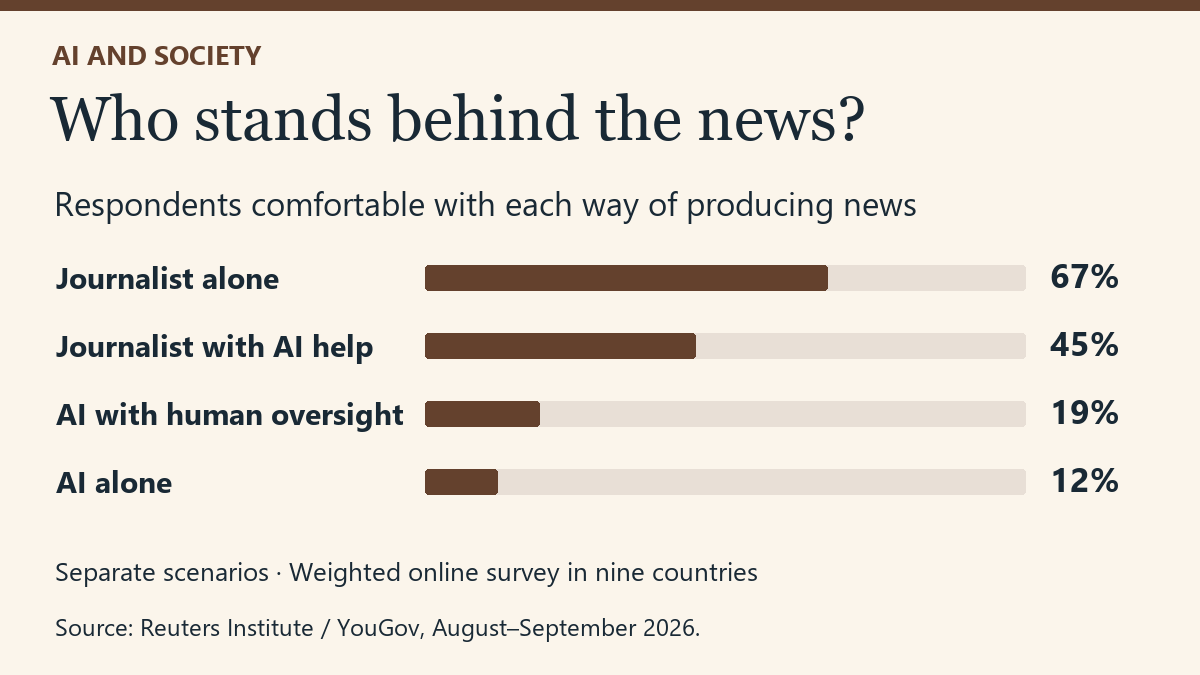
A reader wrongly identified in a photograph needs a correction. A driver warned about a faulty weld needs to know whether the car is safe. Neither can get an answer from the machine that helped make the product. A newspaper, a documented vehicle recall and a ruling about an airline’s chatbot show how to trace responsibility to the people and organisations that can act. An AI label can tell us how an image was made. Who will put things right?

Who answers for AI? Lessons from the newsroom and the assembly line Leer más »

Who gets to say yes to AI? A data centre in your town

Who gets to say yes to AI? A data centre in your town

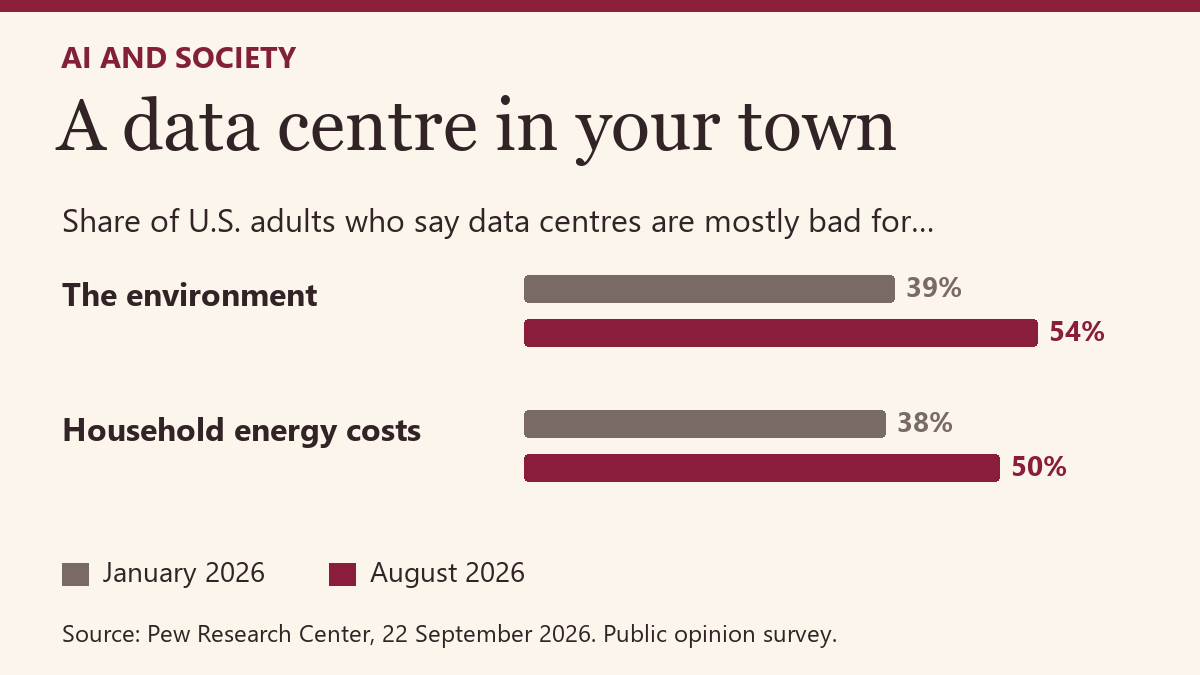
Who pays for the power lines when a data centre leaves town? Residents weigh promised jobs against electricity demand, water use and the cost of putting things right. U.S. survey evidence shows how public attitudes towards energy costs and the environment have changed. Global electricity projections tell a different part of the story. This opening essay follows the decision back to the town that must live with it, from the promise of permanent jobs to water use in a dry year. It asks what residents should be able to inspect before a permit is granted, how people who seldom attend a public hearing can take part, and which conditions would give them a remedy if a promise is broken.

Who gets to say yes to AI? A data centre in your town Leer más »

The horizon of artificial intelligence: LLMs and hardware, its current pillars

The horizon of artificial intelligence: LLMs and hardware, its current pillars

Competition between accelerators expands AI’s possibilities, but capacity contracts and dependence on their tools also shape which paths can be pursued. This editorial examines GPUs, TPUs and Trainium, the influence of CUDA and competing software ecosystems, and the commitments linking model developers to cloud providers. It distinguishes announced capacity from computing resources already available, and hardware performance from the quality of reasoning obtained. It also considers an alternative research direction based on explicit knowledge and verifiable visual transformations, whose implementation and comparative costs still require demonstration. The central question is how to judge progress without allowing computing expenditure to stand in for scientific evidence.

The horizon of artificial intelligence: LLMs and hardware, its current pillars Leer más »

R0:4356b5e07c7adfaa1d015773dc56f061-A number with no recorded reason may end up deciding for a patient

A number with no recorded reason may end up deciding for a patient

Transparency in artificial intelligence has become a question of provenance. Yet identifying where content came from does not explain why a decision was made. This editorial examines AI-generated scientific hypotheses, expert assessments recorded as scores, and experiments showing that a model’s explanation may omit influences that changed its answer. It considers how research incentives and simplified headlines can obscure important qualifications. The concern is especially acute when decisions guide medical research and may eventually affect patients. The article argues for preserving the reasons behind judgments, so scientific conclusions remain open to scrutiny rather than becoming an archive of unexplained results.

A number with no recorded reason may end up deciding for a patient Leer más »