Artificial intelligence depends on energy, investment, infrastructure and people. This collection examines how those demands interact with the world economy, and how their costs and benefits are distributed.
Each publication identifies the evidence, its date and its limits. Measured outcomes, announced investment and forecasts are distinguished, with links to the original sources.
Latest publications
Articles are listed by their original publication date, newest first.
-

When AI raises demand for chips, where does the value go?
Read the article: When AI raises demand for chips, where does the value go?AI increases demand for the chips that make computing possible, but the value generated does not remain in one company or country. Design, fabrication, equipment and skilled work connect the European Union, the United States and major Asian production centres. This article follows those connections through revised market statistics, an executive survey and institutional research. Rising sales can support investment and innovation, while prices, production bottlenecks and market concentration complicate the distribution of gains. Public support also requires evidence that it produces benefits beyond activity that would have happened anyway. Separate regional indicators show why headquarters, factory capacity and value-chain revenue must not be confused. For workers and communities, the relevant outcomes include useful training, safe employment and durable local capabilities. The question is how expanding demand becomes productive investment whose benefits can be measured and shared.
-
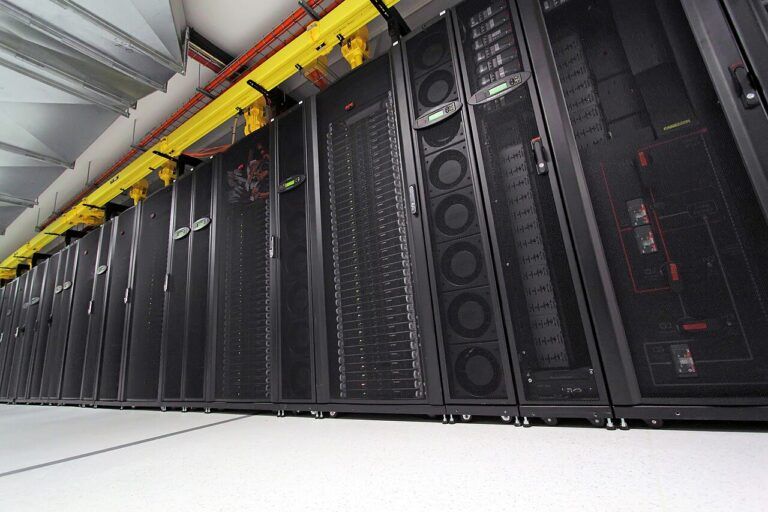
When AI needs more power, who pays for the infrastructure?
Read the article: When AI needs more power, who pays for the infrastructure?AI depends on physical infrastructure, and the costs of expanding it do not fall automatically on those who benefit. This article examines electricity demand, grid investment and the allocation of risk around data centres. It brings together separate European Union and United States estimates, Chinese demand evidence, and policy examples from Japan and Singapore. A global projection is presented alongside an operator survey, with their different purposes and limitations made explicit. More computing capacity may support innovation and useful services, but announced investment is not a measure of realised productivity. For households and smaller businesses, the relevant question is whether new demand pays for the capacity it requires. For workers and communities, it also concerns skills, reliable services and access to the benefits. The economic test begins with who bears the cost when a project grows, changes or fails to arrive.