What can silicon carbide do for AI? From efficient power to extreme-environment computing

What can silicon carbide do for AI? From efficient power to extreme-environment computing

What can silicon carbide contribute to artificial intelligence: a more efficient power supply, computation beside a hot sensor, or an artificial neuron? This article follows those distinct routes through original research and industrial documents. It explains why equal numbers of silicon and carbon atoms do not mean equal masses, and why shorter atomic bonds do not guarantee a faster processor. Fabricated logic gates and memory cells establish building blocks; NASA’s 2026 processor paper distinguishes a SiC design from a robot demonstrated with a silicon FPGA at room temperature. Cryogenic neuron experiments open another specialised direction, with refrigeration still part of the system’s energy account. The practical question is which function SiC can perform, under what conditions, and with what measured benefit to a complete AI workload. Power conversion offers a clear role; replacing today’s AI processors requires much more evidence.

What can silicon carbide do for AI? From efficient power to extreme-environment computing Leer más »

R0:e81127dd3f66450ac34b82915cf63584-An ECG biomarker for sudden cardiac death discovered with deep learning

An ECG biomarker for sudden cardiac death discovered with deep learning

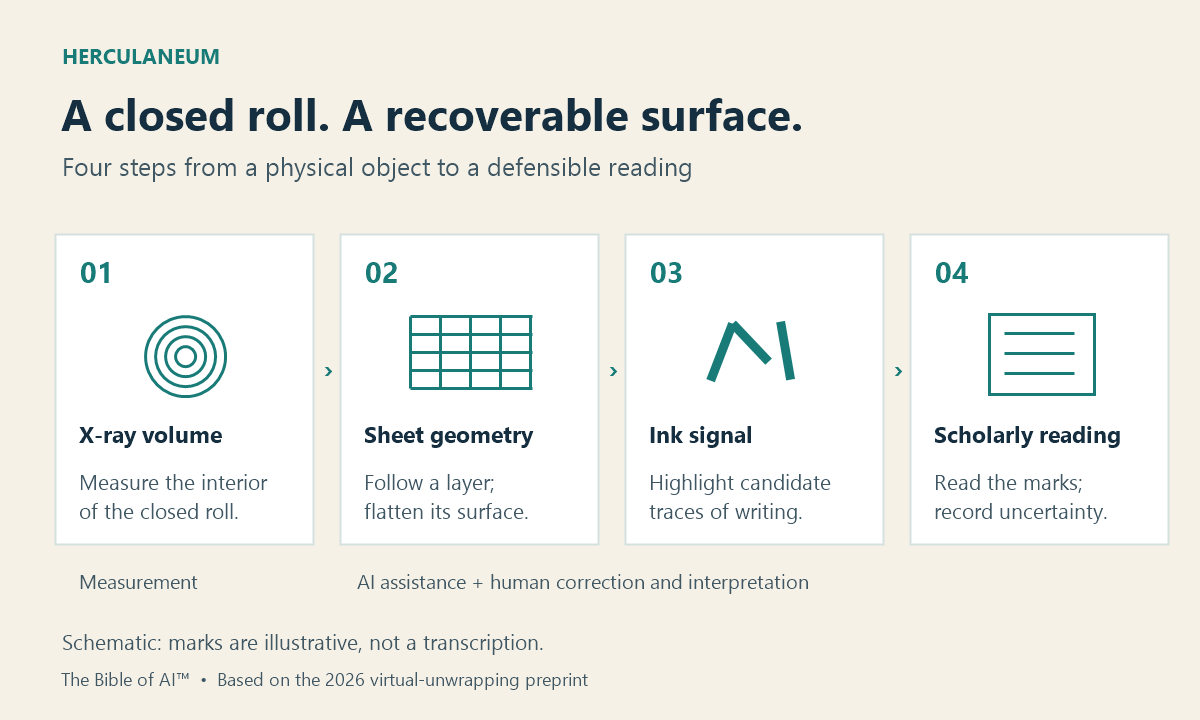
A routine electrocardiogram can reveal a disturbance in rhythm while it is happening. Could the shape of an apparently ordinary beat also help identify someone at risk of sudden cardiac death a year later? Ziad Obermeyer and colleagues linked Swedish ECGs to death certificates, then examined what their model had learned. When they altered a beat to raise its predicted risk, the descending edge of one wave became less abrupt in lead aVL. That observation gave them a feature they could measure in actual recordings. The Swedish results show both the promise and the limits of the approach. A small group had a markedly elevated event rate, yet many ECGs preceding a death fell below the chosen threshold. Records from the United States and Taiwan add evidence about ventricular arrhythmias and cardiac arrest. Whether offering defibrillators to people identified through this signal would prolong their lives remains an open clinical question.

An ECG biomarker for sudden cardiac death discovered with deep learning Leer más »

Dory1.0-4B and the value of a second pass

Dory1.0-4B and the value of a second pass

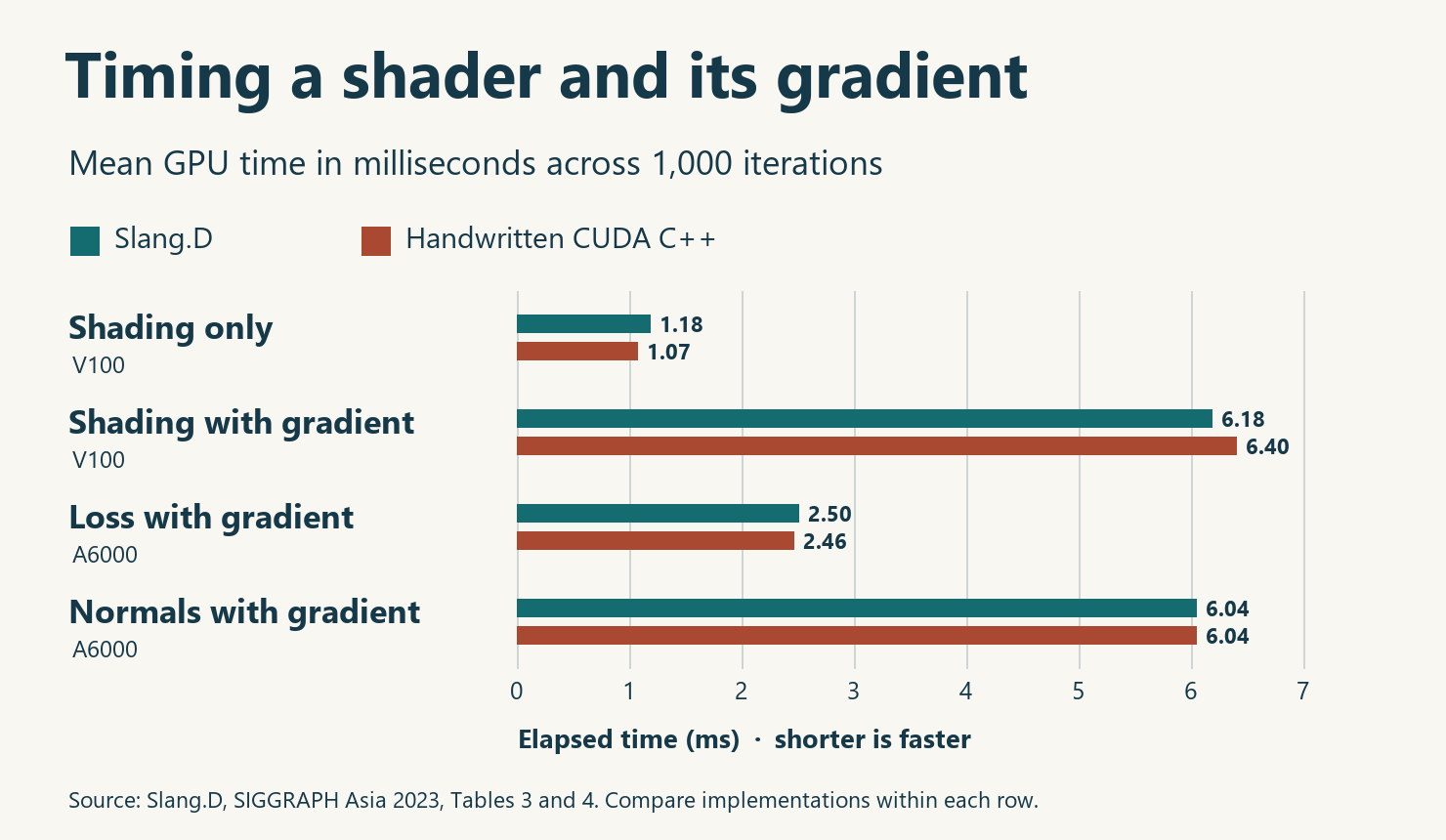
Can a language model solve a harder problem by applying the same learned transformation a second time? NVIDIA’s Dory1.0-4B makes this question experimentally tractable. Its central block can process the same sequence at different depths while the model’s four billion parameters remain fixed. NVIDIA reports a substantial gain from the second pass on software repair and reasoning over long documents. Further passes yield smaller gains on average, and factual accuracy changes little on one knowledge test. This assessment examines the published weights, training design and evaluation results alongside measurements from people running the model on their own hardware. Experiments with llama.cpp and a Rust inference engine illustrate how precision, memory management and the choice of execution depth affect speed. These comparisons also show why the number of generated tokens, the time required to answer and the quality of the answer deserve separate measurements.

Dory1.0-4B and the value of a second pass Leer más »

From a blue pixel to an AI server: where does gallium nitride save energy?

From a blue pixel to an AI server: where does gallium nitride save energy?

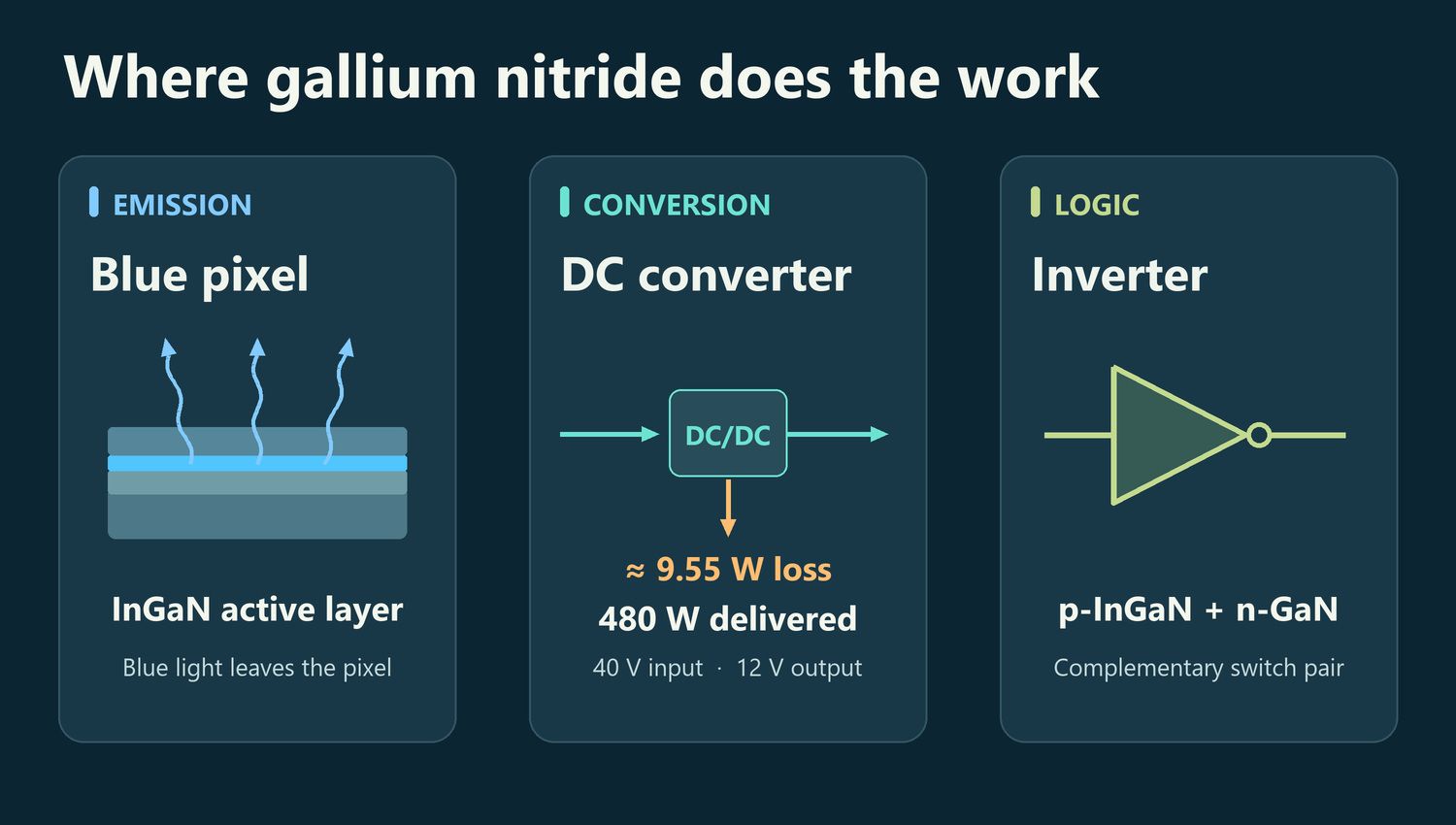
Where does gallium nitride reduce heat between a blue pixel and an AI server? In a display, the useful output is light. Researchers compared tiny blue emitters at the same optical output per unit area and measured how warm their surfaces became. In a server, the useful output of a power converter is electricity delivered to the next stage. Two matched converters show what happens when gallium nitride takes over the switching job from silicon. A separate test lets us calculate the watts still lost while delivering 480 watts to a load. Nitride transistors have also been joined into logic gates and a memory cell. Each experiment puts a different limit on what we can claim. Together they show where this semiconductor already earns its place, where silicon remains part of the device, and what to measure before promising lower energy per AI response.

From a blue pixel to an AI server: where does gallium nitride save energy? Leer más »

Why surround the channel? From FinFET fins to RibbonFET nanosheets

Why surround the channel? From FinFET fins to RibbonFET nanosheets

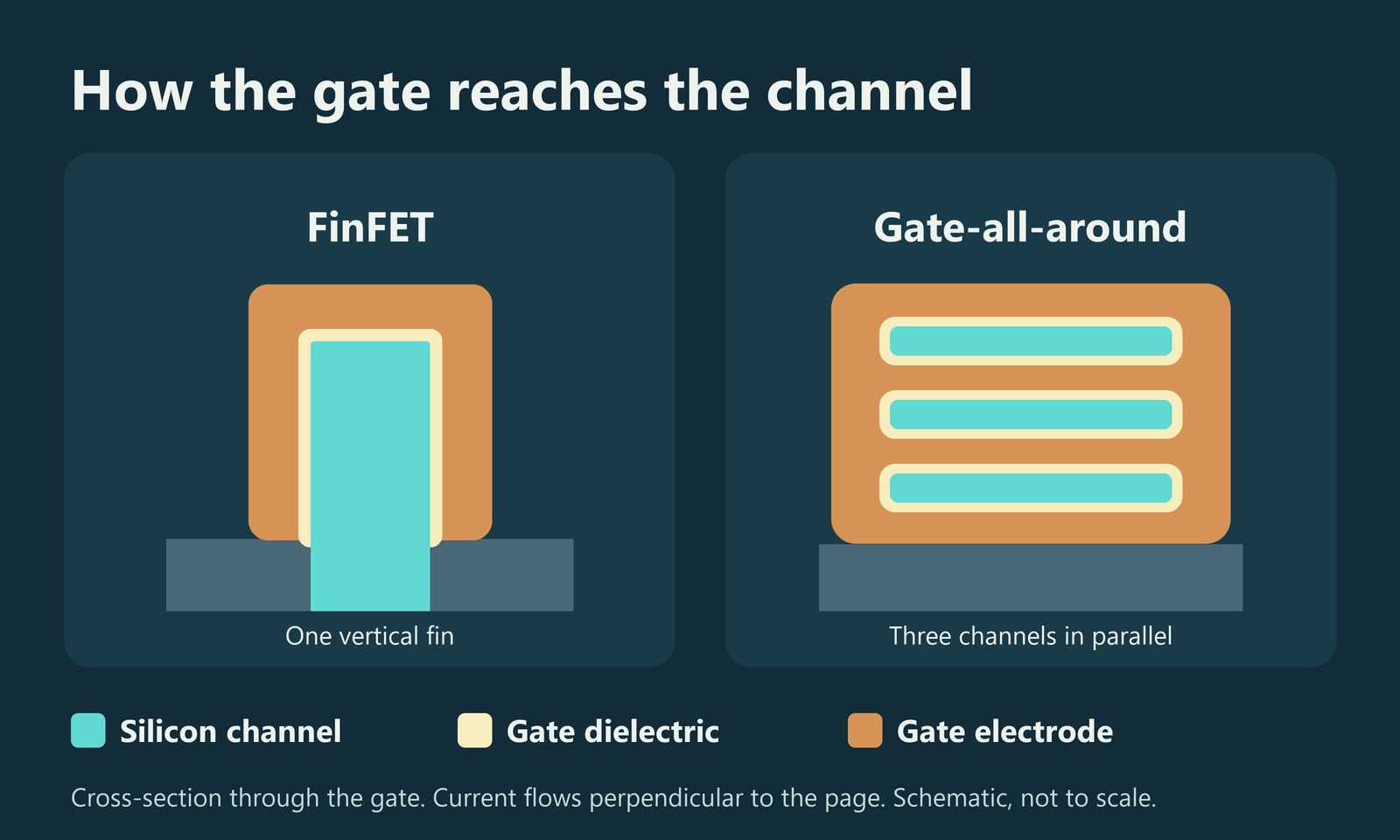
A transistor that is supposed to be off can still pass current when its channel gets very short. Why does wrapping the gate around thin sheets of silicon help, and when could an AI chip benefit? A cross-section compares the three controlled faces of a FinFET with the gate that surrounds each channel in a nanosheet transistor. Measurements on an early three-sheet device show what it means to control current with a small change in voltage. Intel’s later tests on working CPU cores reveal something a device measurement alone cannot tell us. The voltage that reaches a transistor depends on the network supplying it. A matrix engine might use that margin to calculate at lower voltage. A model waiting for weights from memory presents a different test. Which part of a response could actually get quicker, and how much energy would it take?

Why surround the channel? From FinFET fins to RibbonFET nanosheets Leer más »