Clase (Paper)

https://editorialia.com/wp-content/uploads/2020/06/the-state-of-a-ethics-report-june-2020.jpg

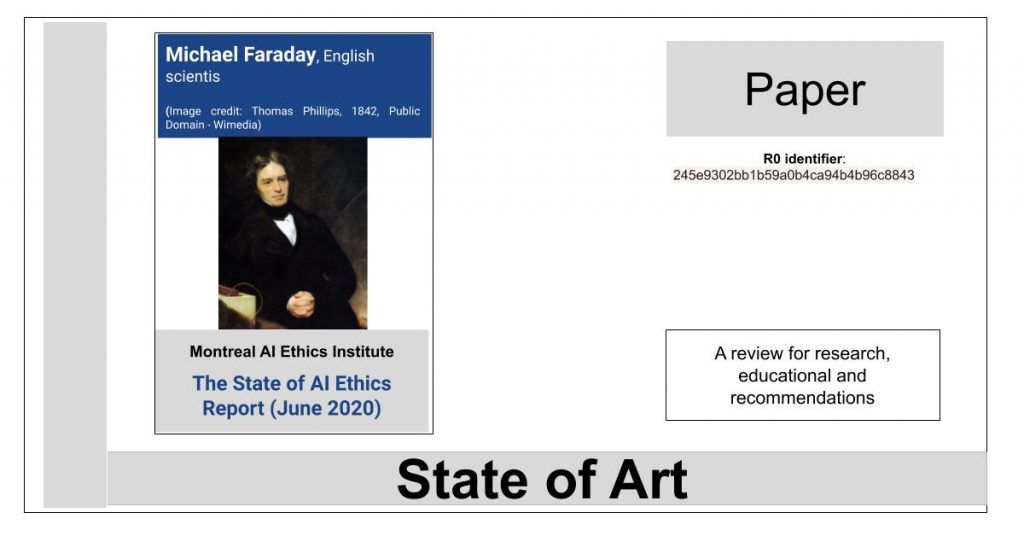
The State of AI Ethics Report (June 2020)

It has never been more important that we keep a sharp eye out on the development of this field and how it is shaping our society and interactions with each other. With this inaugural edition of the State of AI Ethics we hope to bring forward the most important developments that caught our attention at the Montreal AI Ethics Institute this past quarter. Our goal is to help you navigate this ever-evolving field swiftly and allow you and your organization to make informed decisions.

https://editorialia.com/wp-content/uploads/2020/06/machine-learning-in-medicine-a-practical-introduction.jpg

Machine learning in medicine: a practical introduction

Following visible successes on a wide range of predictive tasks, machine learning techniques are attracting substantial interest from medical researchers and clinicians. We address the need for capacity development in this area by providing a conceptual introduction to machine learning alongside a practical guide to developing and evaluating predictive algorithms using freely-available open source software and public domain data

https://editorialia.com/wp-content/uploads/2020/06/explaining-autonomous-driving-by-learning-end-to-end-visual-attention.jpg

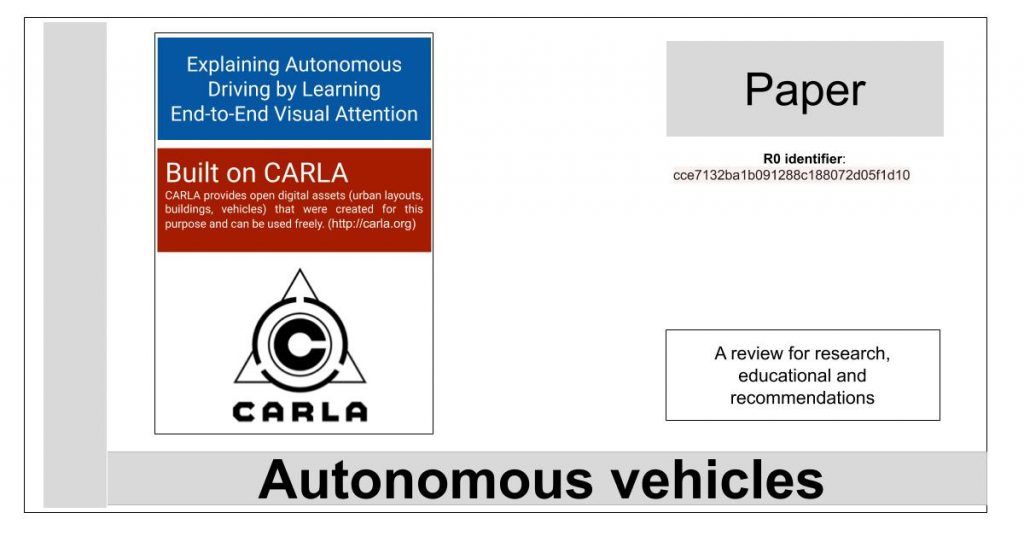
Explaining Autonomous Driving by Learning End-to-End Visual Attention

In this work we propose to train an imitation learning based agent equipped with an attention model. The attention model allows us to understand what part of the image has been deemed most important. Interestingly, the use of attention also leads to superior performance in a standard benchmark using the CARLA driving simulator.

https://editorialia.com/wp-content/uploads/2020/05/techdispatch-1_2020_-contact-tracing-with-mobile-applications-2.jpg

TechDispatch #1/2020: Contact Tracing with Mobile Applications

In public health, contact tracing is the process to identify individuals who have been in contact with infected persons. Proximity tracing with smartphone applications and sensors could support contact tracing. It involves processing of sensitive personal data.

https://editorialia.com/wp-content/uploads/2020/05/a-human-centered-evaluation-of-a-deep-learning-system-deployed-in-clinics-for-the-detection-of-diabetic-retinopathy.jpg

A Human-Centered Evaluation of a Deep Learning System Deployed in Clinics for the Detection of Diabetic Retinopathy

This paper contributes the first human-centered observational study of a deep learning system deployed directly in clinical care with patients. Through field observations and interviews at eleven clinics across Thailand, we explored the expectations and realities that nurses encounter in bringing a deep learning model into their clinical practices. First, we outline typical eye-screening workflows and challenges that nurses experience when screening hundreds of patients. Then, we explore the expectations nurses have for an AI-assisted eye screening process. Next, we present a human-centered, observational study of the deep learning system used in clinical care, examining nurses’ experiences with the system, and the socio-environmental factors that impacted system performance. Finally, we conclude with a discussion around applications of HCI methods to the evaluation of deep learning algorithms in clinical environments.

https://editorialia.com/wp-content/uploads/2020/05/a-socio-technical-framework-for-digital-contact-tracing-2.jpg

A socio-technical framework for digital contact tracing

In their efforts to tackle the COVID-19 crisis, decision makers are considering the development and use of smartphone applications for contact tracing. Even though these applications differ in technology and methods, there is an increasing concern about their implications for privacy and human rights. Here we propose a framework to evaluate their suitability in terms of impact on the users, employed technology and governance methods.

https://editorialia.com/wp-content/uploads/2020/05/artificial-intelligence-and-machine-learning-in-software-as-a-medical-device_-discussion-paper-and-request-for-feedback-4.jpg

Artificial Intelligence and Machine Learning in Software as a Medical Device: discussion Paper and Request for Feedback

Artificial intelligence and machine learning technologies have the potential to transform health care by deriving new and important insights from the vast amount of data generated during the delivery of health care every day. Medical device manufacturers are using these technologies to innovate their products to better assist health care providers and improve patient care. The FDA is considering a total product lifecycle-based regulatory framework for these technologies.