Walking After a Stroke: From the Clinic to a Gravel Path
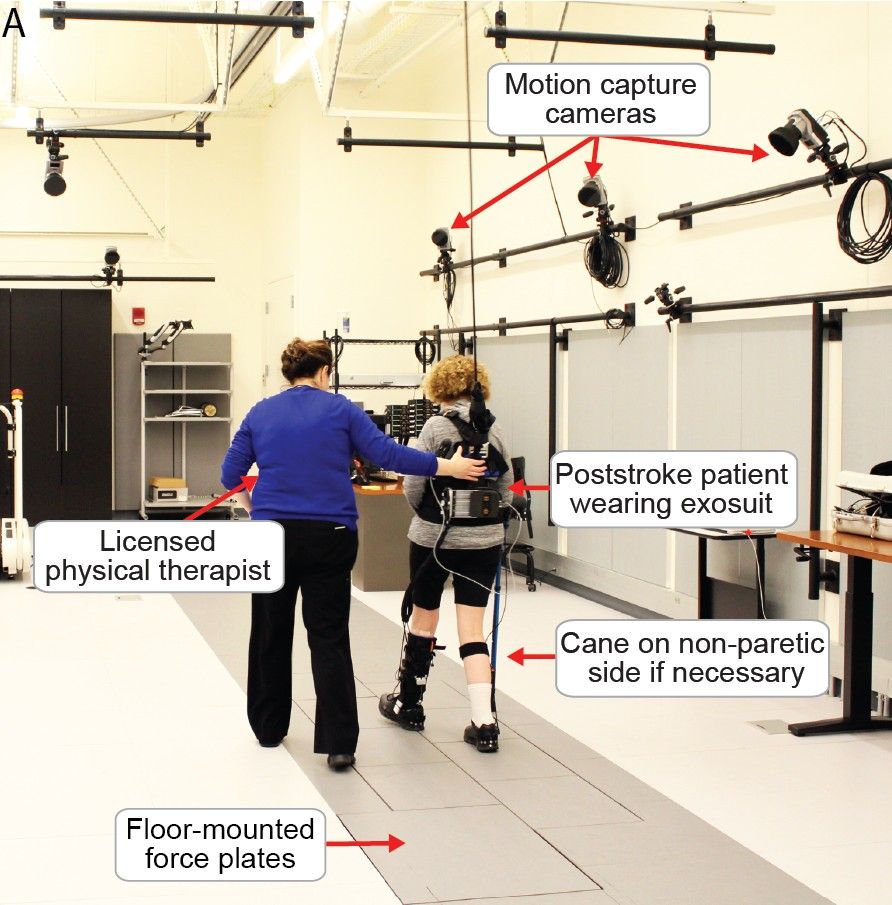
One person chose a gravel path in a park. Another chose a sidewalk. Both had survived a stroke, and both could already walk. What they wanted to try was a soft robotic support that gave the weaker ankle a push as the foot left the ground. First came a test that rarely makes headlines: could they fasten the device themselves? Four people learned to use it, chose places near home or work and spent four weeks practising there. Sensors let researchers estimate how much the weaker leg contributed to each step, even where there was no laboratory floor to measure the force.
All four finished. Two went on to take considerably more steps in the week after the programme. The other two help explain why a family deserves a more precise answer than “the robot works”. This article follows the walkers from the fitting room to their chosen routes, examines what artificial intelligence could measure there, and looks at what a rehabilitation team can offer today. A faster walk along a test track may be welcome. Whether it makes a familiar path worth taking again is a question only the walker can settle.
Walking After a Stroke: From the Clinic to a Gravel Path Leer más »